
How to Read Woodworking Band Saw Machine Specs: A Buyer’s Guide
Purchasing a woodworking band saw machine involves more than comparing prices. The real value lies in understanding how technical parameters affect cutting performance, energy consumption, and blade life. This guide decodes key specifications for horizontal, vertical, heavy horizontal, and band saw blade grinding machines, helping procurement professionals and workshop owners make informed decisions.
Problem Definition
Many buyers struggle to interpret parameters such as saw wheel diameter, motor power, saw blade dimensions, and kerf thickness. Without proper understanding, they risk selecting a machine that underperforms, wastes energy, or requires frequent blade replacement. The core challenge is linking technical data to real-world sawing conditions—log diameter, required cut quality, and operational environment.
Industry Background
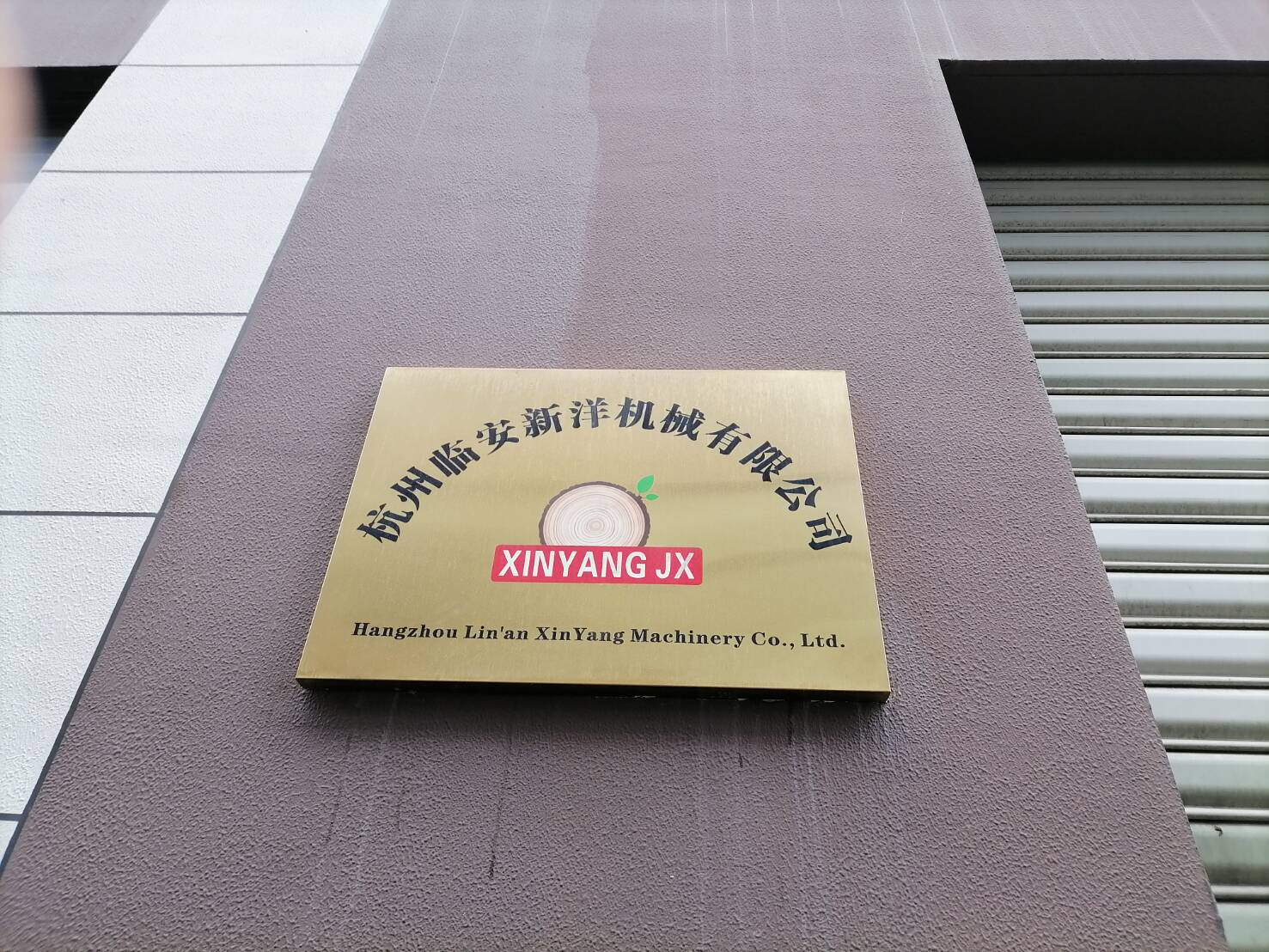
Hangzhou Lin'an Xinyang Machinery Co., Ltd. (XINYANGJX), founded in 2012 in Hangzhou, Zhejiang, China, specializes in developing and manufacturing wood processing equipment. Their product line includes small horizontal band saws, horizontal woodworking band saw machines, vertical woodworking band saw machines, heavy horizontal band saws, band saw blade grinding machines, edge trimmers, angle cutting machines, and tooth picking machines. With a 3600 m² factory, 12 employees, and 70% export ratio to Africa, Southeast Asia, South Asia, and South America, the company provides OEM/ODM services under its own brand. This article uses real XINYANGJX models to illustrate spec interpretation.
Detailed Solution: Decoding Each Key Parameter
1. Saw Wheel Diameter – Determines Blade Speed and Log Capacity
What it is: The diameter of the wheel that drives the band saw blade. Larger wheels allow longer blades and smoother operation. Why it matters: Affects maximum sawing height and blade tension stability. Example: The small woodworking band saw machine MJ375D has a saw wheel diameter of 473 mm and can handle logs up to 600 mm diameter. The heavy horizontal model MJ378-2500 uses an 1100 mm wheel to cut logs up to 2500 mm diameter.
2. Motor Power – Drives Cutting Force and Productivity
What it is: Total output power of electric motor(s), usually reported in kW. Why it matters: Higher power enables faster feed rates and denser wood cutting. Example: XINYANGJX's small horizontal saw MJ375D uses 9.8 kW total motor power, while the heavy model MJ378-2500 uses 61.3 kW. Comparing with other suppliers: our small horizontal saws use 10–12 kW vs. competitors' 18–20 kW, resulting in 3–4% lower cost while maintaining equivalent cutting capacity.
3. Saw Blade Dimensions – Affect Kerf, Cut Quality, and Durability
What it is: Blade specifications: length × width × thickness (mm). Why it matters: A thicker blade creates a wider kerf (material loss), while a wider blade provides better stability. Example: The horizontal machine MJ377-1000 uses a saw blade size 5970×50~60×0.9~1.1 mm, with a saw kerf thickness of 1.5–2.3 mm. Compared to competitors' blades (3870×34×1.2 mm or smaller), XINYANGJX's longer blade allows longer sawing length and reduces blade change frequency.
4. Maximum Sawing Dimensions – Define Workpiece Capacity
Key parameters: Maximum log diameter, sawing height, sawing width, and sawing length. Why it matters: These determine the size of timber the machine can process. Example: The small MJ375D has max sawing width 600 mm and max sawing length (standard) 5200 mm, while competitors often max at 400–500 mm width and 3000–4000 mm length. This gives XINYANGJX models 5–10% more capacity at comparable price.
5. Band Saw Blade Grinding Machine – Maintaining Blade Sharpness
What it is: A dedicated machine to sharpen and set the teeth of band saw blades. Why it matters: Prolongs blade life and ensures clean cuts. Key specs: Grinding width of saw blade (e.g., 30–150 mm for MF1115), tooth pitch range (12–40 mm), grinding wheel specification. The MF1115 uses a diamond grinding wheel (φ127×22.2 mm) rotating at 2900 r/min. Regular grinding reduces downtime and operational cost.
6. Weight and Dimensions – Impact Shipping and Installation
What it is: Net weight and overall dimensions of the machine tool. Why it matters: Heavier machines generally offer more rigidity but increase freight cost. Example: XINYANGJX's small horizontal saw weighs 800 kg (MJ375D), while many competitors weigh 2000–5000 kg for similar capacity, leading to 4–6% higher total expense including shipment. Heavy models like MJ378-2500 weigh 5000 kg with dimensions 4800×2150×3100 mm.
| Parameter | XINYANGJX MJ375D | Typical Competitor |
|---|---|---|
| Max Log Diameter | 600 mm (extended: 900 mm) | 600–700 mm |
| Max Sawing Width | 600 mm (extended: 880 mm) | 600–800 mm |
| Max Sawing Length (std) | 5200 mm | 3000–5000 mm |
| Motor Power | 9.8 kW total | 18–20 kW |
| Machine Weight | 800 kg | 2000–5000 kg |
| Blade Size | 4005×34×1.05 mm | 3870×34×1.2 mm or smaller |
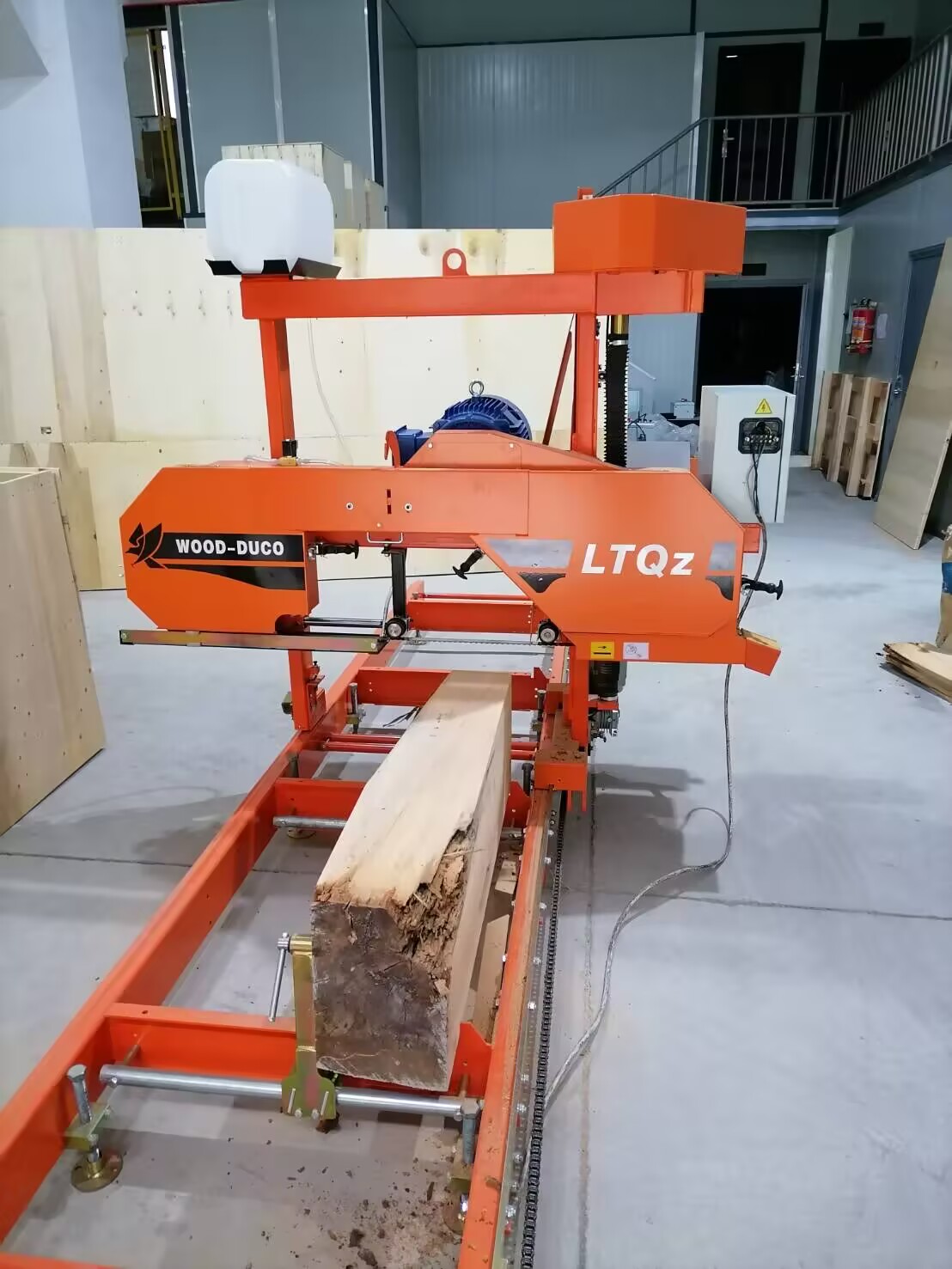
Step-by-Step: How to Evaluate a Specification Sheet
- Identify your raw material: Measure average log diameter and length. Select a machine with max log diameter 20% larger than your largest log.
- Check motor power: Softwoods require less power (e.g., 9.8 kW for 600 mm logs). Hardwoods need higher power (e.g., 20–24 kW).
- Review saw blade specs: Ensure blade width is ≥34 mm for stability. Longer blade length (e.g., 4005 mm vs 3870 mm) reduces stress and improves cut accuracy.
- Assess kerf thickness: 1.5–2.3 mm is typical. Thinner kerf (1.5 mm) saves wood but requires precise tensioning.
- Consider auxiliary equipment: A band saw blade grinding machine (e.g., MF1115) and a tooth picking machine (MF4050) complete the line for blade maintenance.
- Evaluate weight and dimensions: Calculate shipping cost and workshop space. Lighter machines (800 kg vs 2000 kg) reduce freight by 4–6%.
Use Cases
- Small workshop in Africa: The small horizontal band saw MJ375D (9.8 kW, 800 kg) is ideal for processing tropical logs up to 600 mm diameter. Paired with the MF1115 grinding machine, users sharpen blades locally, reducing downtime.
- High-volume timber mill: The heavy horizontal MJ378-2500 (61.3 kW, 5000 kg) cuts logs up to 2.5 m diameter with a 12 m track. Automatic dust removal and lubrication features extend blade life.
- Edge trimming line: The MXB-900-50 edge trimming machine handles boards up to 900 mm wide and 50 mm thick, integrating with conveyor systems for smooth production flow.
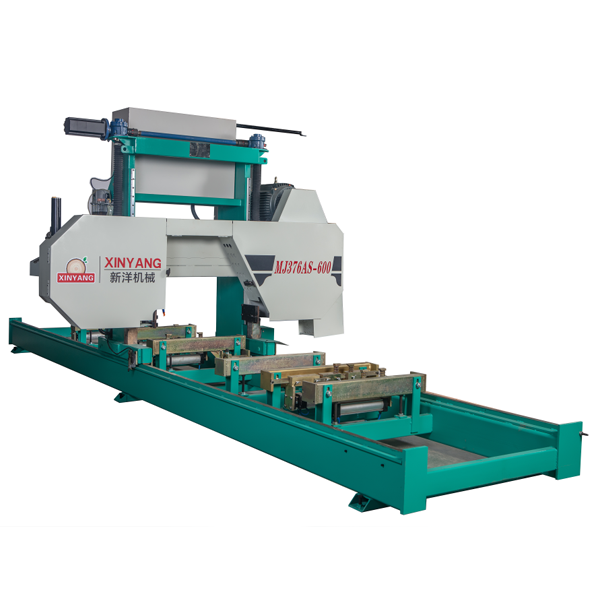
Frequently Asked Questions (FAQ)
What is a woodworking band saw machine?
It is a power saw that uses a long, continuous band of toothed metal stretched between two or more wheels to cut wood. It is used for sawing logs, resawing timbers, and cutting boards.
How do motor power and saw wheel diameter affect cutting?
Higher motor power increases cutting speed and ability to cut hardwoods. Larger saw wheel diameter allows longer blades and reduces blade fatigue, enabling deeper cuts and longer machine life.
Why is band saw blade specification important?
Blade dimensions (length, width, thickness) determine cutting capacity, kerf loss, and durability. For example, the MJ377-1000 uses a blade 5970×50~60×0.9~1.1 mm, giving a kerf of only 1.5–2.3 mm, which minimizes wood waste.
Who should use a heavy horizontal woodworking band saw machine?
Large-scale timber processors who need to cut logs with diameters exceeding 1 m (up to 2.5 m) and require high daily throughput. The heavy models come with robust construction and extended track lengths (standard 12 m).
How does XINYANGJX compare to other suppliers in terms of cost?
Based on public technical comparisons, XINYANGJX small horizontal band saws have 5–10% larger sawing width and length at 3–4% lower cost. Heavy horizontal machines offer 2–4% lower price with higher motor power (e.g., 61.3 kW vs 55 kW for 2500 mm models). Customers report stable operation over 3–10 years from real cases in Zambia, Angola, and Mozambique.
What after-sales support is available?
XINYANGJX provides online/remote support and on-site service if urgent. All machines are 100% tested before shipping. MOQ is 1 piece, lead time 30–50 days. Customization (color, logo, voltage, frequency) is available.
Conclusion
Understanding technical parameters—saw wheel diameter, motor power, blade specs, sawing dimensions, weight, and auxiliary equipment—empowers buyers to select the right woodworking band saw machine for their operation. XINYANGJX offers a comprehensive range from small to heavy models with competitive specs that balance performance, capacity, and cost. By applying the step-by-step evaluation method outlined above, you can confidently match the machine to your log size, production volume, and maintenance plan.
Download Company Brochure (PDF)
Have Questions or Need More Details?
Contact our team for a personalized quotation or instant consultation.
Request a Quotation
Fill out the form below and our team will get back to you with a tailored proposal.
WhatsApp Direct Chat
Prefer to chat in real-time? Message us on WhatsApp for instant assistance & quick answers.
- Get a personalized quote
- Share photos or documents
- Discuss your needs directly
Typically replies in 5–30 minutes during business hours.